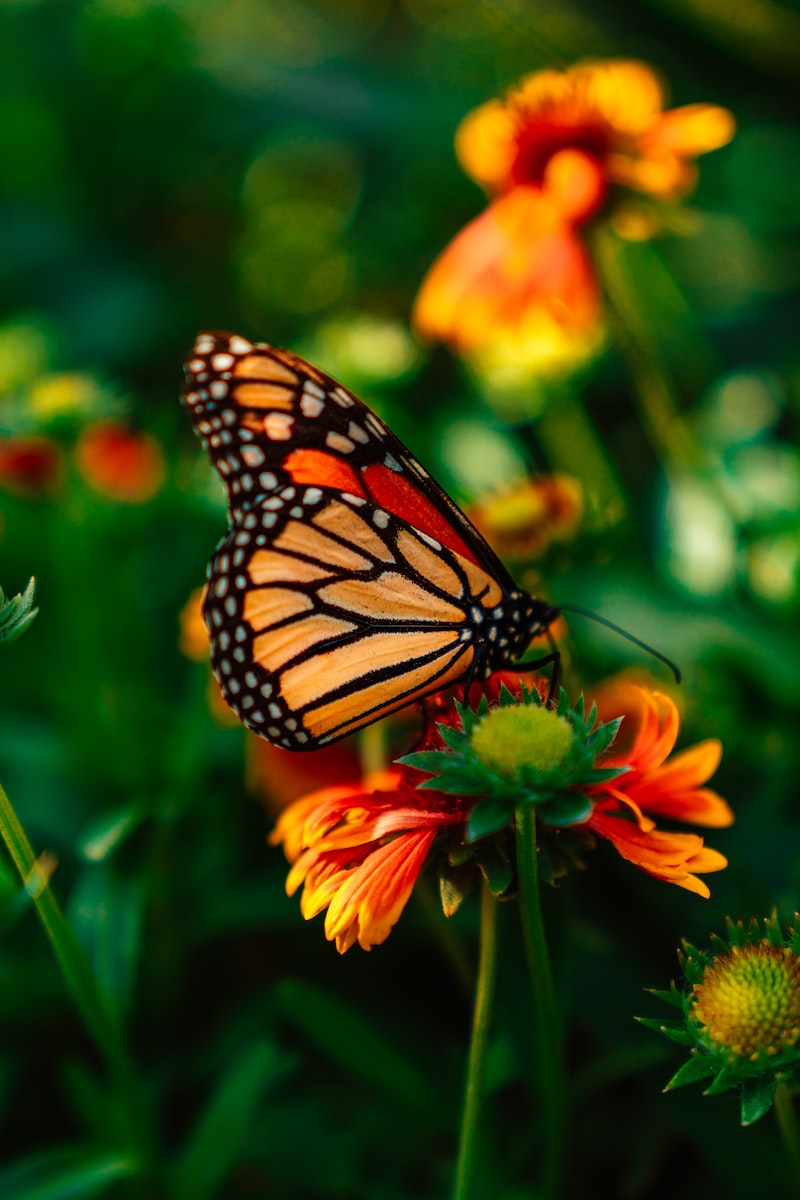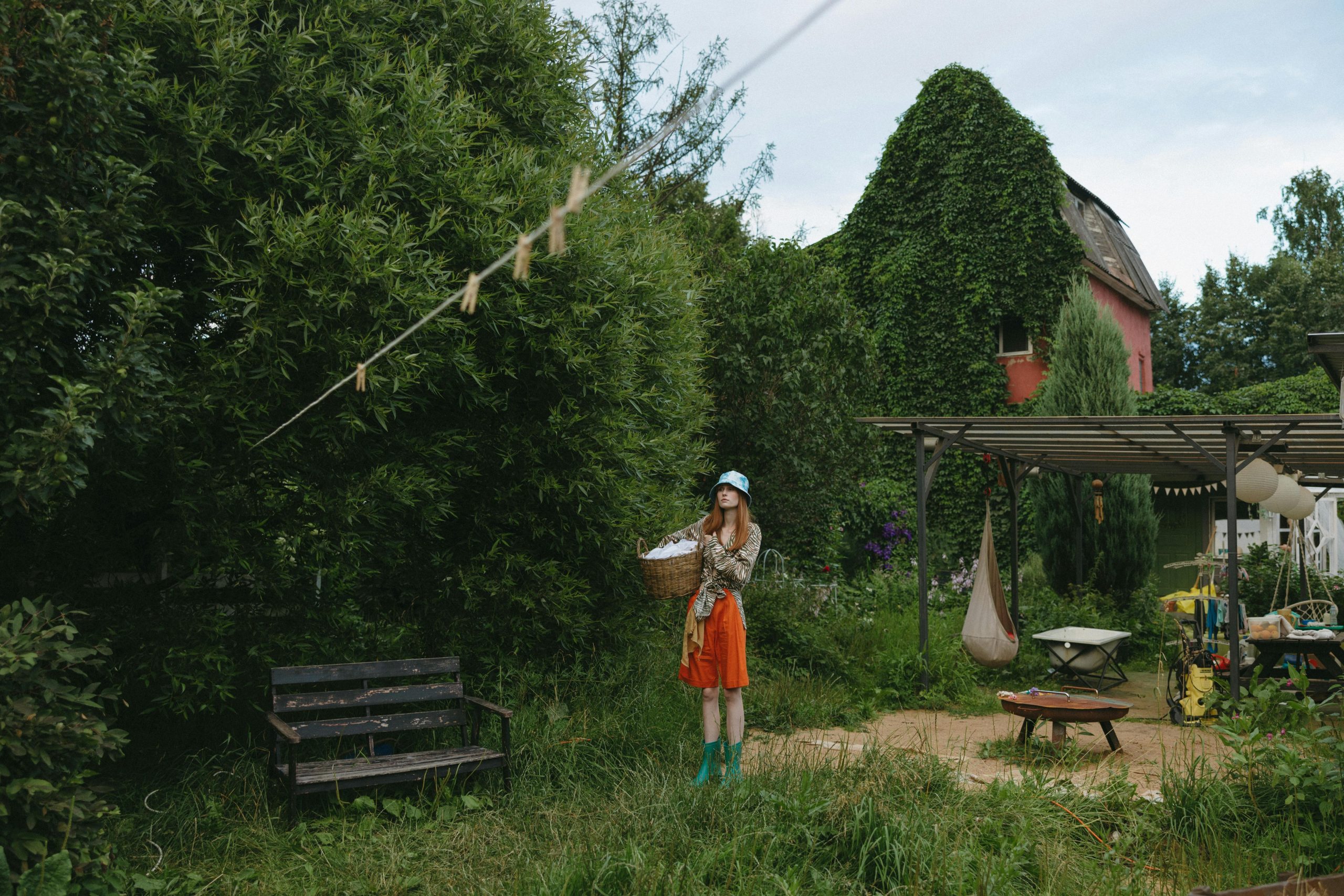
British gardens are getting their freedom back. After years of chasing symmetry and perfect lawns, homeowners are letting nature take the lead and the result is vibrant, joyful and full of life. This trend is part of a wider, slow living and rewilding movement that’s blending with nature-conscious design.
With 97% of Britain’s wildflower meadows lost since the 1930s, our gardens now have to become sanctuaries for bees, butterflies, and birds. Even a modest patch of native blooms in the back garden can restore balance and promote biodiversity while adding a painterly touch of colour and movement.
But first let’s explore what wildflower gardening entails, why it’s gaining popularity in the UK and how you can incorporate it into your home.
What Wildflower Gardening Means Today
A wildflower garden isn’t unkempt or chaotic. It’s a curated meadow – less about design and more about intention. It celebrates imperfection but still feels intentional. Instead of forcing uniformity, gardeners set the stage and then let nature take over.
Cornflowers sway alongside poppies, oxeye daisies, red campion, and meadow buttercups. Each month, new textures appear. The lush greens of early summer give way to golden seedheads by August. The magic lies in how it changes from week to week, always offering something new to notice.
The Royal Horticultural Society describes wildflower gardening as low input with high reward. It transforms static lawns into living ecosystems. Less mowing. Less watering. More watching the bees do their work.
Why It’s Capturing British Imagination
There’s a calm that comes with wildflower gardens. They’re forgiving, sensory, and a little rebellious and a reminder that not everything needs straight lines to be beautiful.
Walk through a garden that’s embraced this look and you’ll sense it instantly. The hum of pollinators becomes part of the soundtrack of home life, and the air feels richer with scent and movement.
But it’s not just an aesthetic choice. With UK pollinator numbers down by around 24% since 1980, every square metre matters. When thousands of households plant even a small wild patch, it becomes a network of mini meadows across the country.
Culturally, the trend fits perfectly with the modern pace of life or rather, the desire to slow it down. People are drawn to gardening that feels mindful rather than demanding, where the focus is on observing instead of perfecting.
How to Design a Beautifully Wild Space for a Modern Home
Wildflower gardens don’t have to look rustic. When designed thoughtfully, they suit both traditional cottages and sleek modern homes. The soft, natural shapes work beautifully against clean architectural lines, textured brick, or garden rooms.
Start by thinking of your garden as a composition, you’re balancing form and flow rather than planting in rows.
- Frame it – Use mown borders or gravel paths to create definition. This keeps the wilder areas looking intentional.
- Layer texture – Combine meadow grasses with perennials like verbena, echinacea, or yarrow for year-round depth.
- Seasonal gardening – Choose seed mixes that flower at different times – blues and pinks in spring, golds and purples in late summer.
- Stay local – Native wildflowers adapt better to British soil and weather while supporting local wildlife.
This natural style also mirrors trends in interior design. The same principles – texture, warmth, and organic flow- that make a home renovation feel inviting, apply outdoors too. A wildflower garden softens hard landscaping, connects the house to its surroundings and makes the garden feel alive rather than arranged.
How to Start a Wildflower Garden and Keep It Effortless
Starting your own wildflower patch doesn’t require professional design skills or a huge space. It begins with one patch of earth and the willingness to let it grow.
- Pick your spot – Choose a sunny area as wildflowers need light to thrive.
- Prepare the soil – Clear away existing grass or weeds and rake to expose bare ground. Wildflowers prefer poor, low-fertility soil, so skip fertiliser.
- Scatter your seeds – Choose a mix that suits your soil type – chalk, clay, or loam. Press lightly with the back of a rake instead of burying them.
- Water gently – Let rain and patience do most of the work. Within weeks, small shoots will appear, followed by a riot of colour by summer.
You do not need an elaborate plan to begin, only a patch of soil, sunlight, and a mix of native blooms. You can easily find wildflower seeds for sale online to match your region and conditions, making it simple to grow a garden that supports local wildlife.
Once your patch is established, maintenance becomes blissfully simple. Cut once a year, usually in late summer, to let seeds fall and regenerate. Rake up the thatch, skip the fertiliser, and resist perfection. A little wildness is part of the charm.
For more ideas on designing outdoor spaces that invite pollinators and flow beautifully with your home, check out our full guide on how to plant butterfly, hummingbird and bee gardens.
The Joy of Letting Go of Perfection
Perhaps the best part of wildflower gardening is what it teaches. You stop treating the garden like a project to finish and start seeing it as a living space to enjoy. Each season has its rhythm: the bright promise of spring seedlings, the lush greens of midsummer, the soft golds of late autumn.
There’s pleasure in the surprises. Flowers that appear where you didn’t plan them, birds you haven’t seen before, a garden that evolves on its own terms.
Start with one small patch. Let it grow tall, let it hum with life. Soon you’ll realise that this simple act of stepping back and letting nature take over makes your home feel calmer, warmer, and more connected to the world outside.
If you love creative home projects that connect design with sustainability, explore the Barefoot Renovations blog for more inspiration on thoughtful living.